
Thailand Travel Guide for Filipinos
Your Beginner-Friendly Guide to Budget, Itinerary, Best Time to Visit, and Smart Travel Tips
By Travana
Thailand is one of the easiest and most rewarding international destinations for Filipinos. It is close to the Philippines, has strong flight connectivity, offers excellent value for money, and gives you a mix of city life, temples, shopping, food, beaches, and nightlife in one trip. For first-time international travelers, it is one of the most practical countries to start with. (Tourism Authority of Thailand)
At Travana, we design customized Thailand packages for Filipinos who want a smoother and more efficient trip, especially if they are traveling for the first time, with family, as a couple, or as a barkada. But we also believe informed travelers make better decisions, so this guide will show you both: the best way to do Thailand with expert help, and the smartest route if you prefer to DIY.
Why Thailand is a top choice for Filipinos
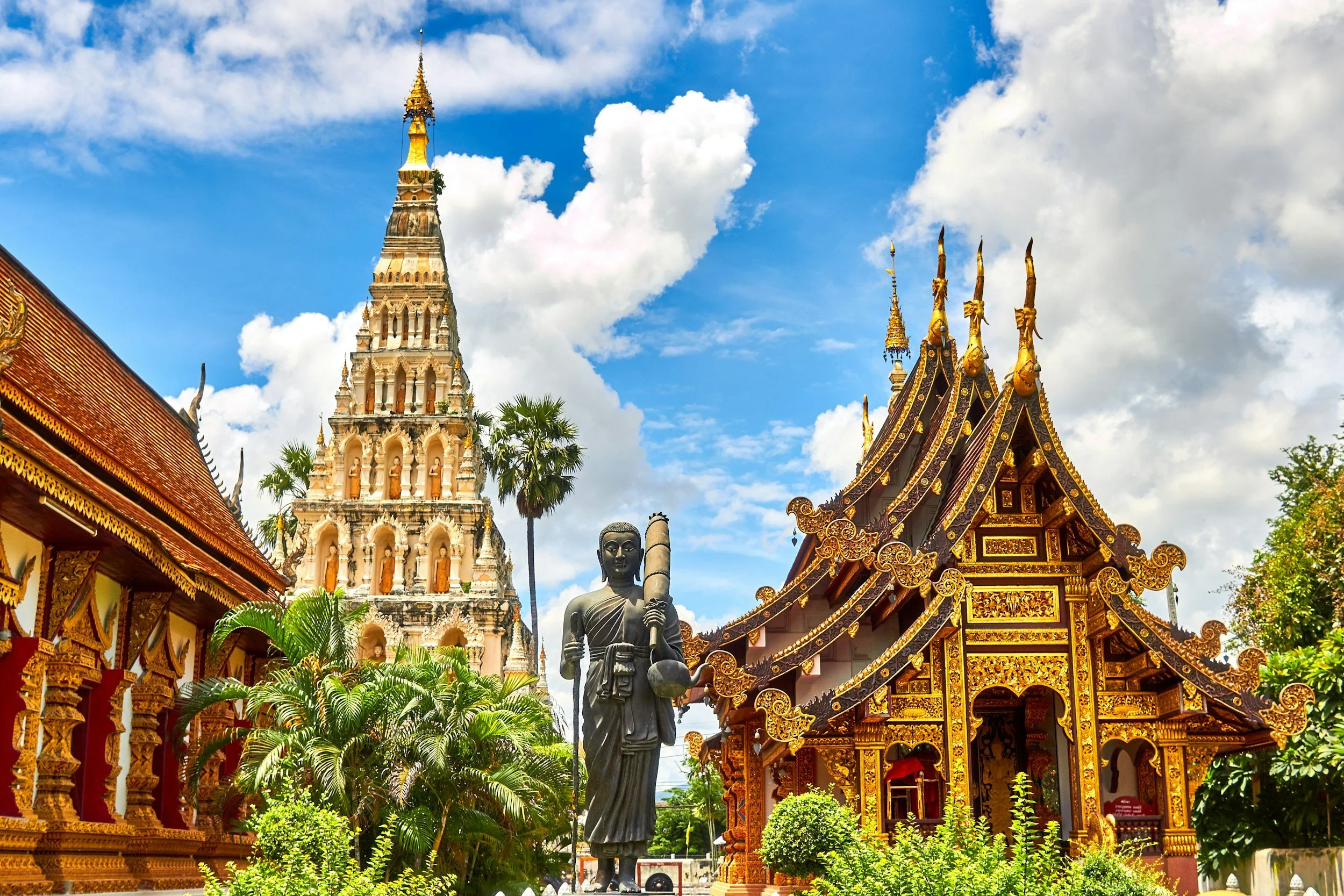
Thailand works well for Filipino travelers for four simple reasons: it is relatively near, it is beginner-friendly, public transport in major tourist zones is manageable, and there are options for almost every budget level. Bangkok alone gives you temples, shopping malls, markets, food streets, and nightlife, while Chiang Mai is ideal for culture and mountains, and Phuket or Krabi are better for beach trips. (Tourism Authority of Thailand)
For entry requirements, Thailand’s Ministry of Foreign Affairs lists a 60-day visa exemption for nationals of eligible countries and territories under the revised scheme effective 15 July 2024. Filipino travelers should still verify current entry rules before departure because immigration implementation can change. (Image MFA)
Best time to visit Thailand
For most first-time Filipino travelers, the safest recommendation is November to February. This is generally the cooler and drier period in much of Thailand, which makes sightseeing, temple visits, city walks, and beach trips more comfortable. It is also peak season, so flights and hotels usually cost more. (SAWASDEE THAILAND - THAILAND.GO.TH)
If your goal is lower prices, look at May to October, but understand the trade-off: this overlaps with the rainy season in many areas. You can still travel, but you need more flexibility for weather disruptions, especially for island hopping and sea tours. (Thailand Insider)
A practical planning rule is this:
Bangkok + Chiang Mai: best for November to February
Phuket / Krabi / Andaman side: best usually around the dry season months, especially December to April
Budget travelers: shoulder months can work, but only if you accept weather risk (SAWASDEE THAILAND - THAILAND.GO.TH)
Thailand budget breakdown for Filipinos
These are planning estimates from Travana, built around current exchange-rate ranges plus published transport and major attraction costs. Airfare and hotel prices swing heavily based on season, promo fares, and how early you book. Recent rate history shows roughly 1 THB = about PHP 1.85 to 1.90, so a fast mental shortcut is 100 THB = around PHP 185 to 190. (Wise)
Sample DIY budget for 4D3N Bangkok
Per person, excluding shopping
Budget traveler:
Roundtrip airfare: PHP 7,000–14,000
Hotel/hostel: PHP 1,200–2,500 per night
Food: PHP 800–1,500 per day
Local transport: PHP 300–700 per day
Tours/entrance fees: PHP 2,000–4,500 total
Travel insurance/miscellaneous: PHP 1,000–2,000
Estimated total:PHP 15,000–29,000
Mid-range traveler:
Roundtrip airfare: PHP 9,000–18,000
Hotel: PHP 2,500–5,500 per night
Food: PHP 1,500–3,000 per day
Local transport: PHP 500–1,000 per day
Tours/entrance fees: PHP 3,000–7,000 total
Insurance/miscellaneous: PHP 1,500–3,000
Estimated total:PHP 24,000–45,000
These estimates are reasonable because Bangkok transit itself is not expensive: BTS fares start at around 17–47 THB, MRT fares begin around 17 THB and can go up depending on distance, while headline attractions such as the Grand Palace cost 500 THB for foreigners and Wat Pho is 300 THB. (BTS Skytrain)
Travana reality check
DIY Thailand looks cheap on paper, but many first-time travelers underestimate:
airport transfers
card and cash conversion losses
last-minute attraction bookings
luggage and airline add-ons
surge pricing in peak season
wasted time from poor routing
That is exactly where Travana customized packages become more cost-efficient than they first appear. A properly built package often removes itinerary friction, reduces planning mistakes, and protects travelers from hidden costs.
Best Thailand itinerary for first-timers from the Philippines
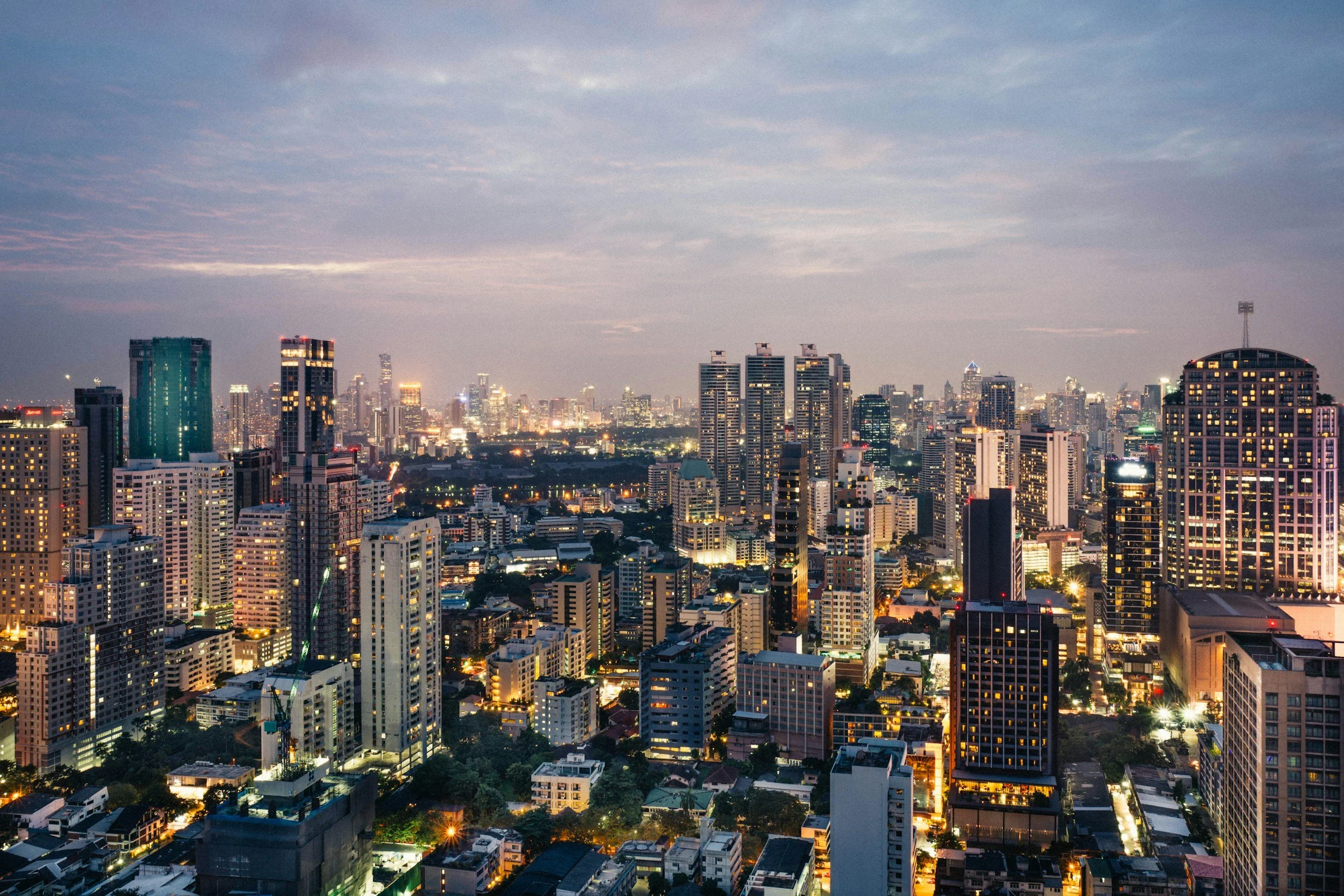
If you are new to Thailand, the mistake is trying to do too much. Bangkok + Chiang Mai + Phuket in one short trip sounds attractive, but it usually creates rushed airport transfers and shallow experiences. For most beginners, these are the strongest options:
Option 1: Bangkok only (4D3N or 5D4N)
Best for first-timers, shopping lovers, food trips, and short leaves. Bangkok has the easiest concentration of classic Thailand experiences: temples, malls, markets, river views, and nightlife. (Tourism Authority of Thailand)
Option 2: Bangkok + Chiang Mai (6D5N to 7D6N)
Best for travelers who want culture, temples, café districts, and a more relaxed pace. Chiang Mai is a strong contrast to Bangkok and is one of Thailand’s best culture-heavy additions. (Tourism Authority of Thailand)
Option 3: Bangkok + Phuket or Krabi (6D5N to 7D6N)
Best for travelers who want city + beach. This works well for couples and barkadas, but timing matters because island and sea conditions depend heavily on season. (Tourism Authority of Thailand)
Suggested 5D4N Thailand itinerary for Filipinos
Best for first-timers: Bangkok-focused
This is the itinerary Travana would usually recommend before suggesting more ambitious multi-city combinations.
Day 1: Arrival in Bangkok + easy city introduction
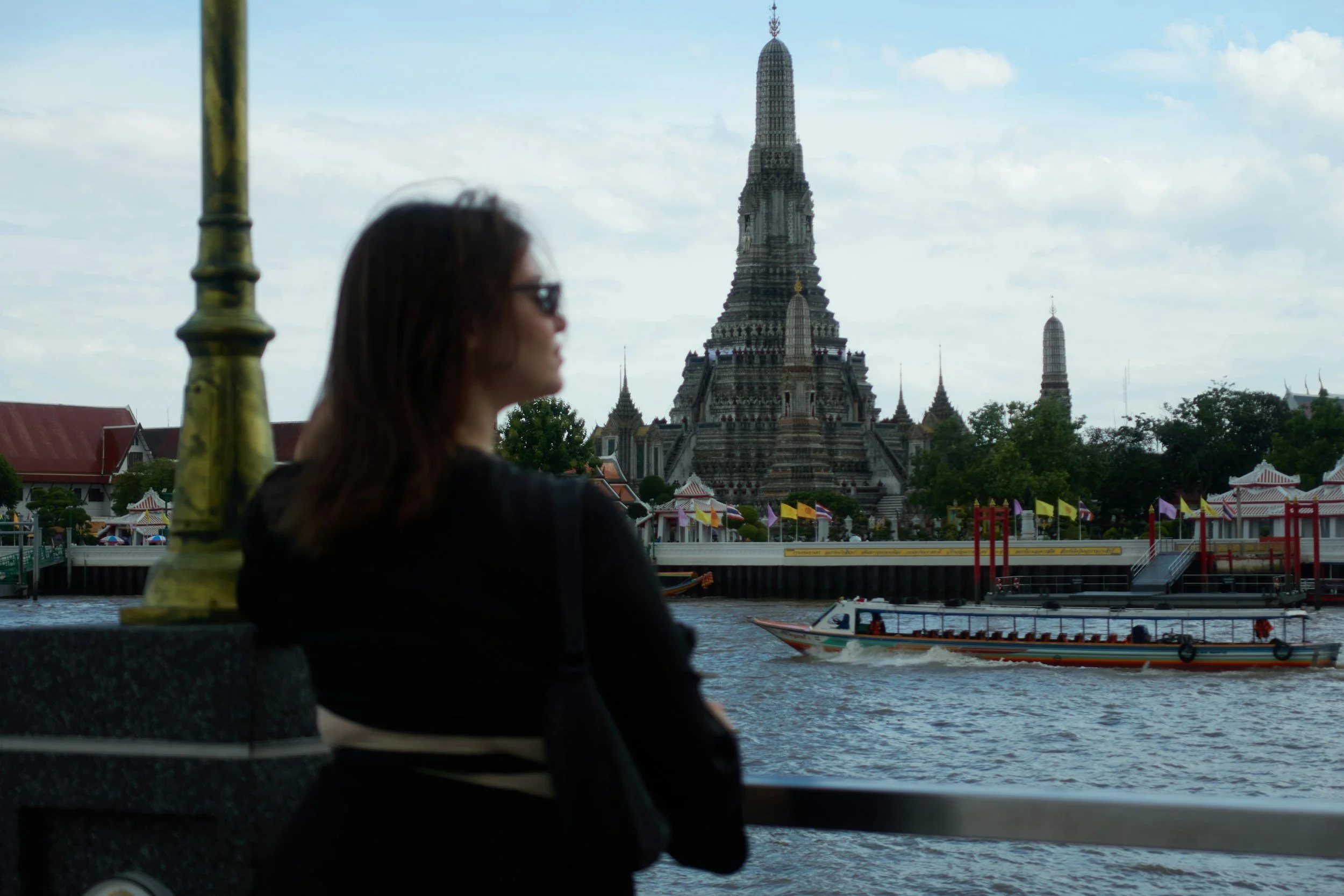
Chao Phraya River cruise Bangkok
Arrive, check in, rest, then do a soft landing itinerary: nearby mall, street food area, or a river cruise if budget allows. Keep day 1 light because many travelers lose energy immediately after arrival and airport transfer. A badly planned first day is one of the easiest ways to waste a short trip.
Day 2: Bangkok Old City
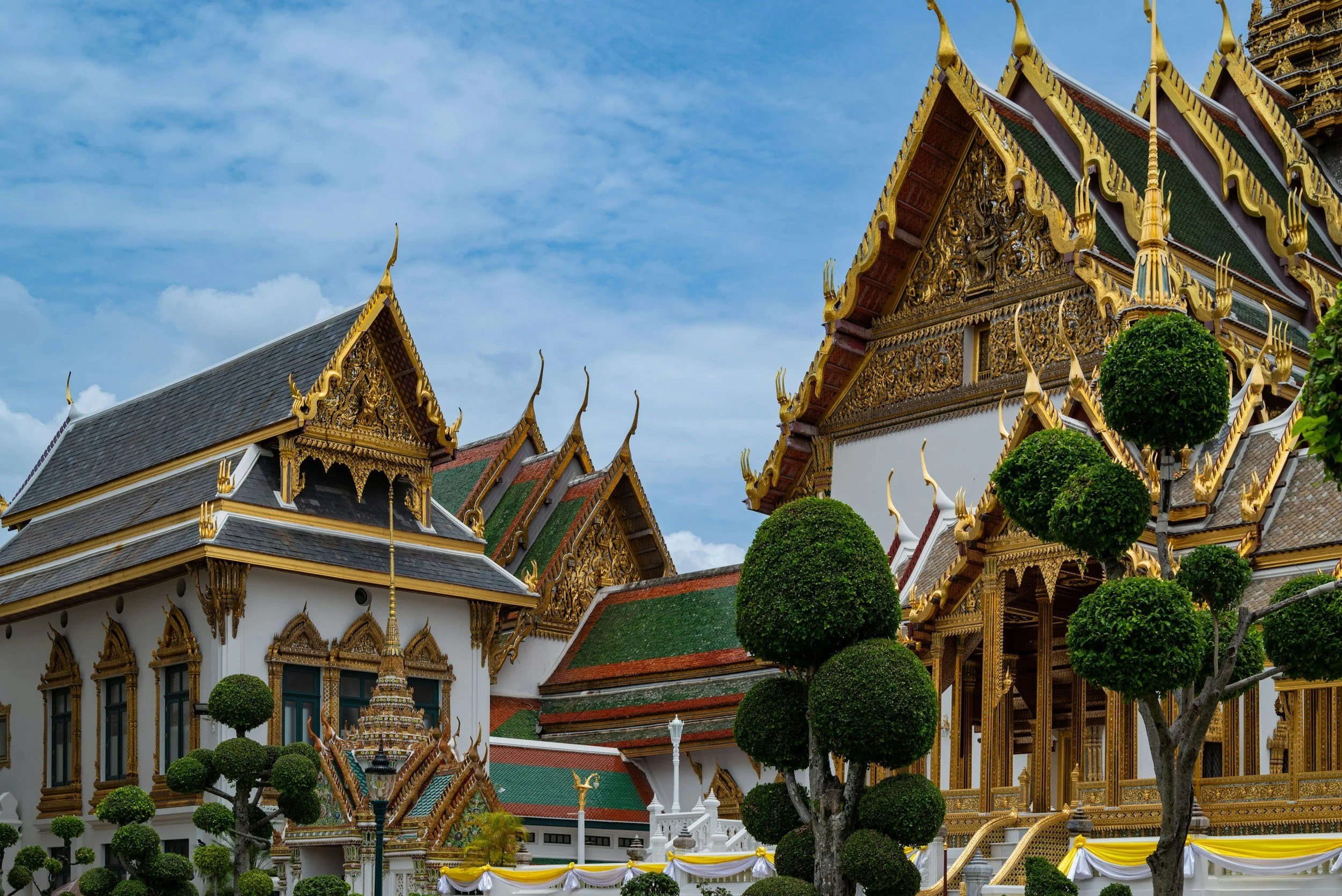
Grand Palace Bangkok
Visit the Grand Palace and Wat Phra Kaew, then Wat Pho, then continue around the old district. The Grand Palace is one of Thailand’s signature attractions, and Wat Pho remains one of Bangkok’s essential temple stops. Dress properly because temple rules are enforced. (Royal Grand Palace)
Day 3: Modern Bangkok + shopping day
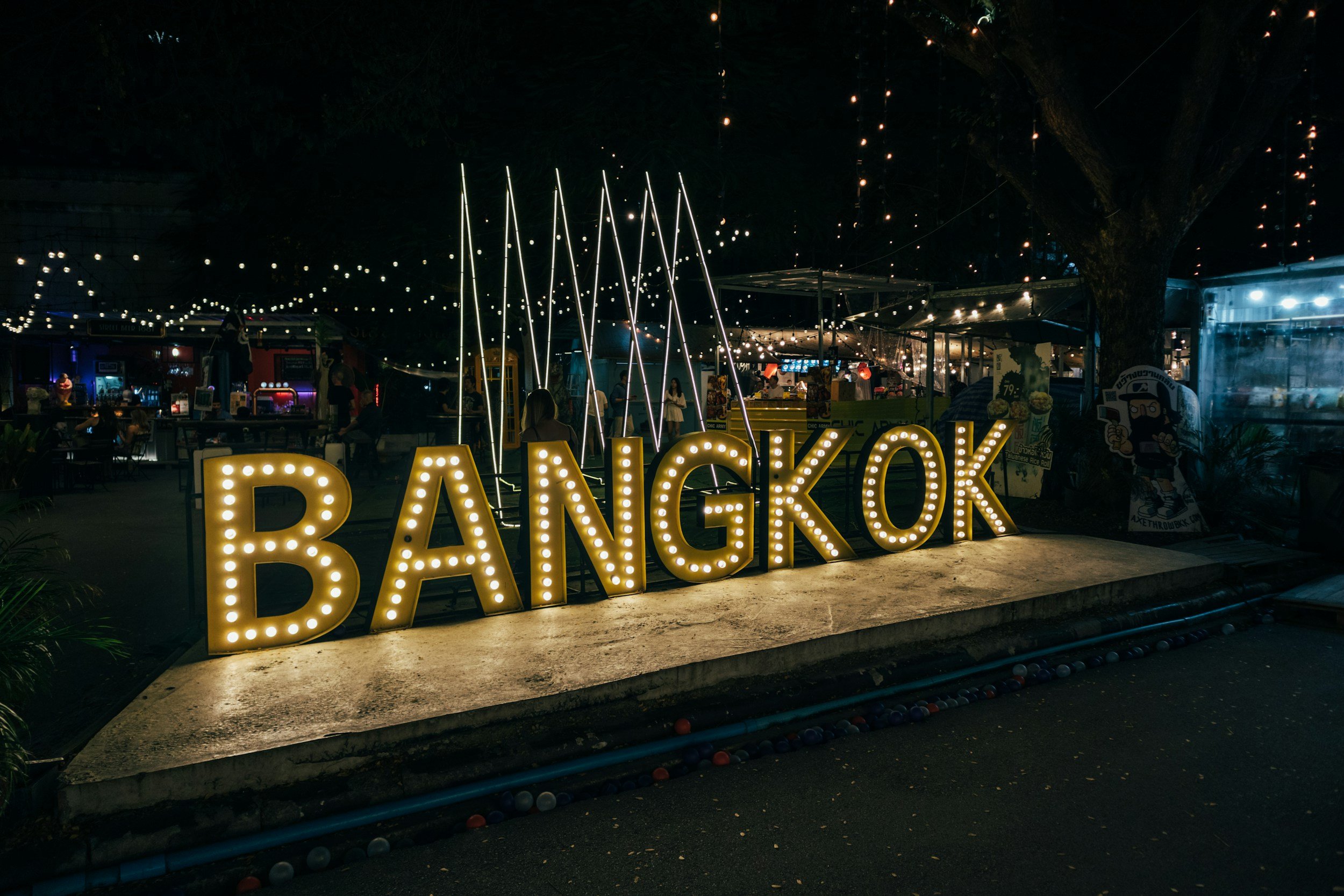
Siam Paragon Bangkok
Take the BTS and explore Bangkok’s shopping core. This is where many Filipino travelers enjoy the city most because it is easy to combine malls, cafés, local food, and night markets. BTS is a practical choice because fares are distance-based and usually cheaper than wasting time in road traffic. (BTS Skytrain)
Day 4: Optional tour day
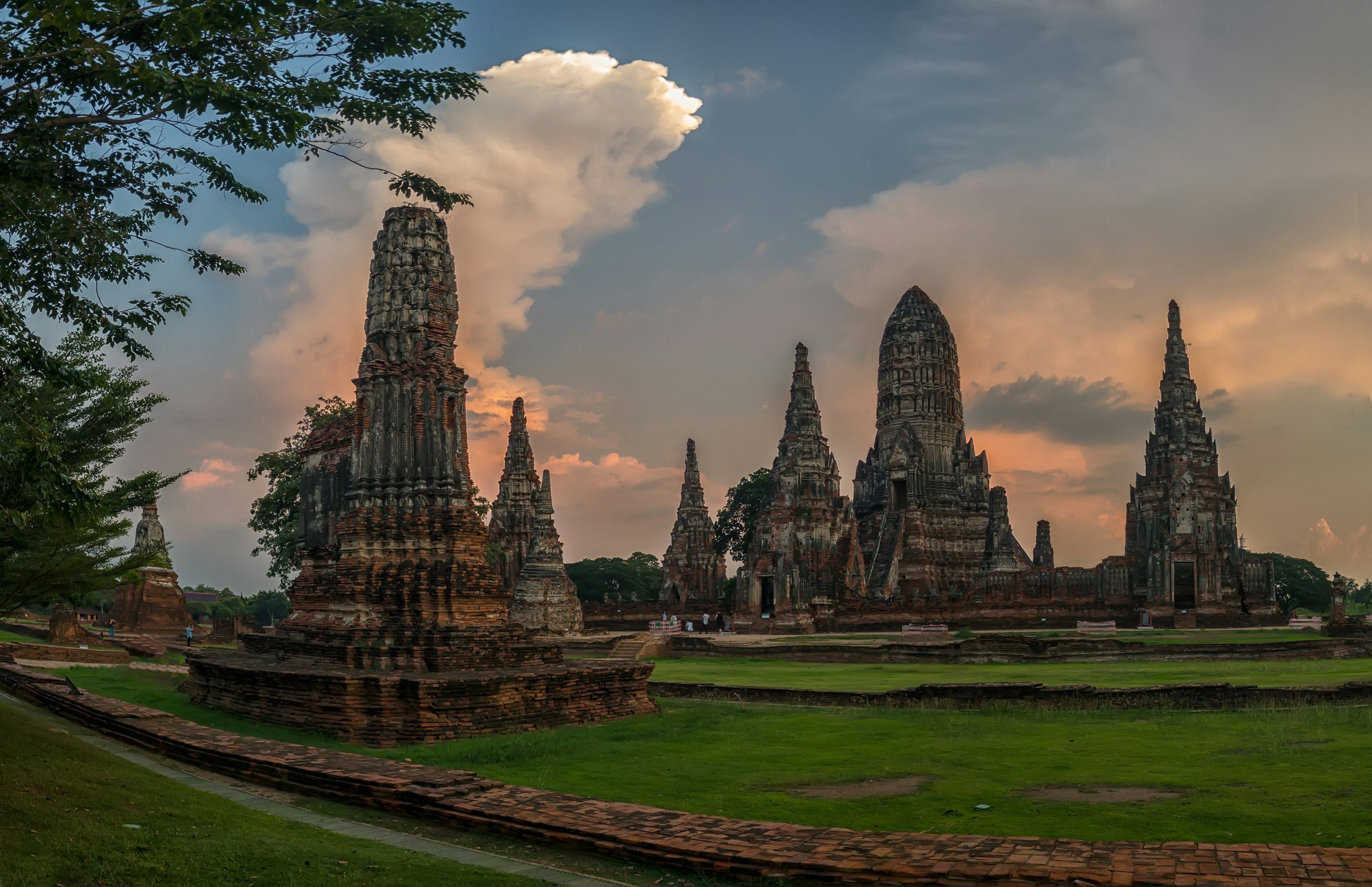
Ayutthaya
For most beginners, Ayutthaya is the better cultural add-on; for social-media-driven travelers, floating markets are popular but often romanticized. Travana typically recommends this day based on the traveler’s actual style, not just what is trending.
Day 5: Last-minute shopping + departure
Use the final day only for areas near your hotel or on a direct transport route. Many DIY travelers make the mistake of scheduling a far-away attraction before departure, which is reckless in Bangkok traffic.
Suggested 7D6N itinerary: Bangkok + Chiang Mai
This is one of the best all-around Thailand combinations for Filipinos.
Days 1 to 3: Bangkok
Do the core Bangkok itinerary above.
Day 4: Fly to Chiang Mai
Settle in, walk around the Old City or Nimman area.
Day 5: Doi Suthep + city temples + cafés
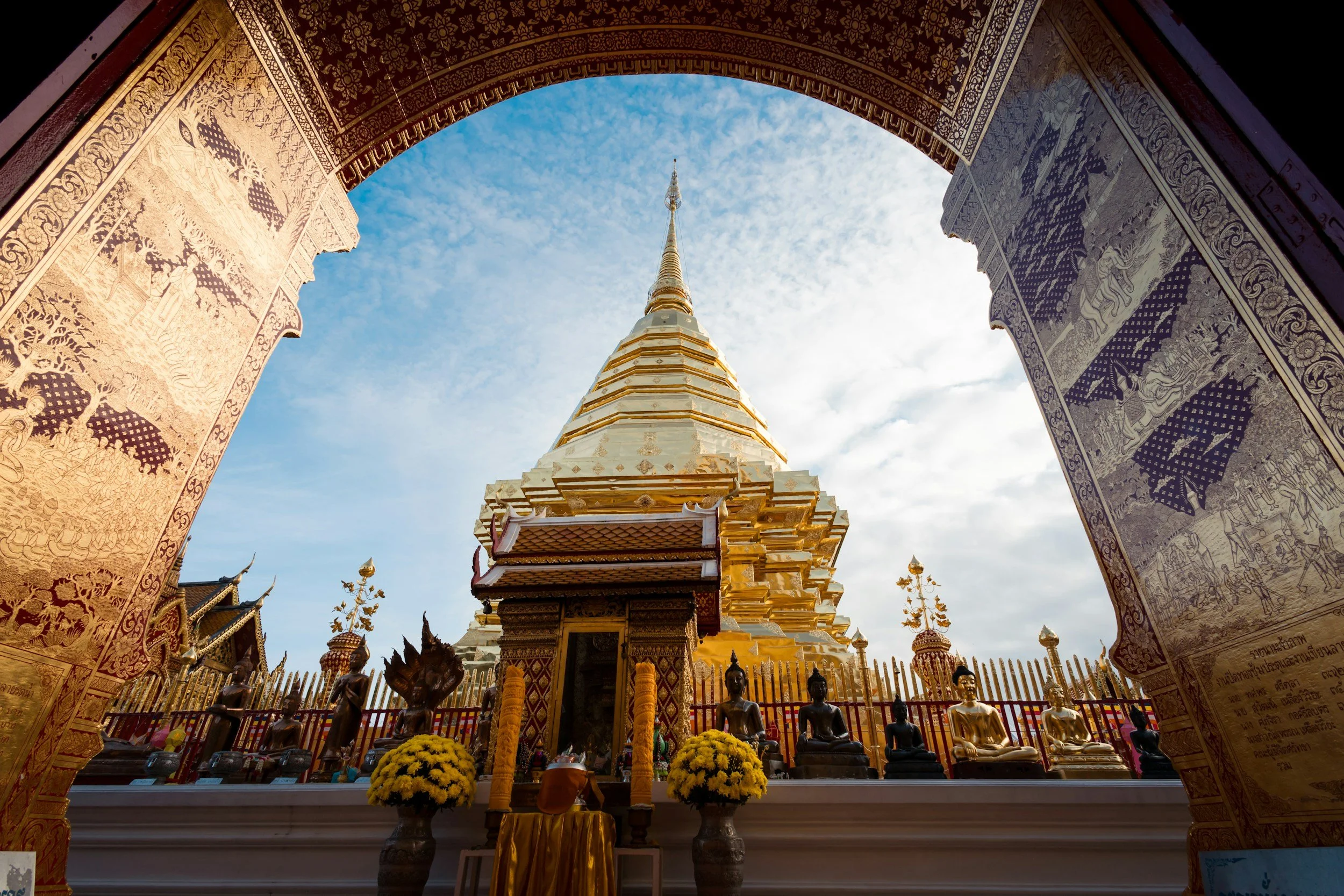
Wat Phra That Doi Suthep
Chiang Mai’s standout landmark is Wat Phra That Doi Suthep, which the Tourism Authority of Thailand highlights as one of the province’s important landmarks. (Tourism Authority of Thailand)
Day 6: Nature or ethical experience day
Possible choices:
elephant sanctuary with careful vetting
Doi Inthanon
cooking class
night market exploration
Day 7: Departure
Fly back from Chiang Mai or return via Bangkok depending on flight pricing.
This route works because Bangkok gives you high-energy city tourism, while Chiang Mai gives you the cultural and slower-paced side of Thailand. It feels more complete than Bangkok-only without becoming logistically messy. (Tourism Authority of Thailand)
DIY Thailand vs booking with Travana
DIY is good if:
you enjoy planning
you are comfortable comparing dozens of hotel and flight combinations
you can handle transport coordination
you understand seasonal risk for beaches and tours
Travana is better if:
this is your first international trip
you are traveling with kids, parents, or a group
you want a smoother route without itinerary waste
you want help balancing budget vs experience
you do not want to gamble on bad hotel location choices
you want a package built specifically for Filipino travelers
The real issue is not whether DIY is possible. It is. The issue is whether DIY is the most efficient option for your trip style. In many cases, it is not. A weak DIY plan often costs less upfront and more overall.
Thailand travel tips for Filipinos
1. Don’t overpack your itinerary
Thailand is not difficult, but it is easy to ruin with poor pacing. Two strong areas done well beat four cities done badly.
2. Use rail transit in Bangkok whenever possible
BTS and MRT are among the easiest ways to move around major parts of Bangkok, and official fare structures confirm they are relatively manageable for tourists. (BTS Skytrain)
3. Respect temple dress codes
For places like the Grand Palace and Wat Pho, modest dress matters. Do not build an itinerary around temples if you plan to show up in shorts and sleeveless tops. (Royal Grand Palace)
4. Budget extra for shopping
Thailand is where many Filipino travelers lose budget discipline. Night markets, beauty items, snacks, clothing, and pasalubong can quietly become the biggest expense.
5. Check exchange rates before your trip
Rates move. Current recent data suggests roughly 100 THB is around PHP 185–190, but that is not fixed. (Wise)
6. Be season-aware before booking beaches
Do not blindly book Phuket, Krabi, or island hopping because you saw nice weather on social media. Sea conditions and rainfall patterns matter. (Thailand Insider)
7. Build around your travel style
A couple’s itinerary should not look like a barkada shopping itinerary. A family trip should not copy a nightlife-heavy route. This is exactly why Travana uses customized planning instead of generic packages.
Best places in Thailand Filipinos usually love
For most Filipino clients, these destinations perform best:
Bangkok – best for first-timers, shopping, food, temples, nightlife
Chiang Mai – best for culture, cafés, mountains, and slower travel
Phuket / Krabi – best for beach-focused trips and couples
Ayutthaya – best as an easy historical side trip from Bangkok (Tourism Authority of Thailand)
